
Omamori: Japanese shrine and temple charms, explained
Omamori are Japanese charms offered at Shinto shrines and Buddhist temples, often carried as a small pouch associated with a particular hope or protection. They can be obtained throughout the year, including at New Year visits, and handling or return customs depend on the shrine or temple.
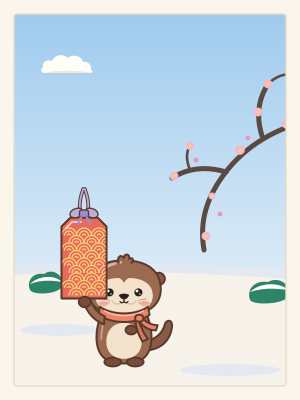
A small object with a stated purpose
An omamori often has a cloth pouch, a cord and writing that identifies its purpose or issuing place. A label might concern study, safe travel or health. It tells you what hope or protection the charm is associated with; it is not a guarantee of exam results, a safe journey or a medical outcome. The object belongs to a religious context even when its size and colours make it appealing as a keepsake.
Shinto shrines and Buddhist temples both offer omamori. They are distinct settings, so use the name of the place you mean rather than treating temple and shrine as interchangeable words. Offerings, designs and local instructions can differ. A visitor does not need to claim a belief they do not hold, but should behave respectfully and follow the place’s guidance.
Pouch-style omamori are usually kept closed. Looking at an outer design is different from opening the pouch to inspect what is inside. If you are unsure how to carry or place a particular charm, ask the issuing shrine or temple.
An omamori can start a conversation about a goal without pressuring someone to discuss religion. A study charm might lead to a question about a skill your friend is learning. A travel charm might lead to a favourite kind of journey, rather than a request for their itinerary.
New Year visits and other occasions
Omamori are associated with visits to shrines or temples throughout the year. New Year visits are one familiar occasion, but you do not have to wait for a single annual festival to understand or encounter them. Particular counters have their own hours and offerings.
Some people return an older charm to a shrine or temple when obtaining a new one. Acceptance arrangements vary, especially for an item issued somewhere else. Ask the place before leaving it there and use any designated return area as instructed. An outdoor box is not automatically a place for every religious object or souvenir.
Omamori do not have one universal expiry date. Customs for replacing and returning them depend on the item and the issuing place. An older charm may also have a personal memory attached to it; ask your friend what it means to them if they choose to tell you.
Words on charms and signs
These readings use Japanese romanisation. Purpose labels are useful clues, but the full wording and the place’s explanation may be more specific. Japanese letter phrases helps with a polite question about a word you do not recognise.
| Term | Reading | Meaning |
|---|---|---|
| お守り | omamori | A charm associated with protection or a particular hope. |
| 神社 | jinja | A Shinto shrine. |
| お寺 | otera | A Buddhist temple. |
| 学業成就 | gakugyō jōju | Fulfilment or success in studies. |
| 交通安全 | kōtsū anzen | Safety in traffic or travel. |
Ask your pen pal
A person can answer about design, a word or a personal goal without sharing a religious belief. Start with one question. Find more letter ideas on the Japanese pen pals page.
- お守りを見たことがありますか? — Have you ever seen an omamori?
- お守りのどんな模様が気になりますか? — What kinds of patterns on omamori interest you?
- 「学業成就」という言葉を知っていますか? — Do you know the phrase “gakugyō jōju”?
- 今、少しずつ頑張っていることはありますか? — Is there something you are working on little by little?
- 大切にしている小さな物はありますか? — Is there a small object you treasure?
A postcard about a word and a small goal
Connect the label to a goal of your own. A language learner can write about practising a little at a time.
こんにちは! お守りの「学業成就」という言葉を知りました。勉強への願いを表すのですね。私は日本語を少しずつ覚えています。今、頑張っていることはありますか? 大切にしている小さな物の話も聞いてみたいです。
A culture postcard in Sea Pals
A word on an omamori might remind you of something you hope to learn. Share that hope in a postcard for a Sea Pals pen pal and ask what they are working towards.