
Hanami: Japan’s cherry-blossom viewing tradition
Hanami is the Japanese custom of enjoying flowers, especially cherry blossoms, with a walk, a picnic or a quiet look at the trees. It happens in spring, but the flowering season moves with the region, tree variety and weather rather than a single national date.
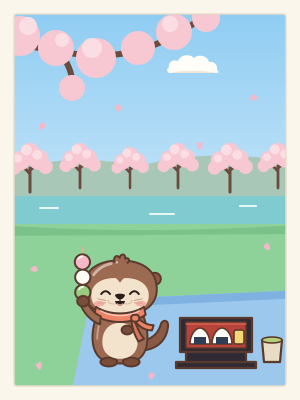
What people do at hanami
The word hanami literally means flower viewing. In everyday spring conversation it often means looking at sakura, or cherry blossoms. A row of flowering trees beside a river, a short stroll through a park and a picnic under permitted trees can all be hanami.
A picnic adds another layer: food, a sheet to sit on and time with friends, family or colleagues. Not every park permits picnics or the same activities. Check signs about eating, alcohol, opening hours and waste, and leave space for other visitors. Take rubbish away where required.
Keep blossoms on the tree. Picking flowers, breaking branches or climbing onto roots for a picture can damage what people came to enjoy. Fallen petals are part of the scene, too. A letter can describe the light, a breeze or the colour of a tree. If your first association comes from animation, the anime pen pals page offers another way to start that conversation.
When are the cherry blossoms out?
Spring is the useful answer, but it is only a starting point. Different parts of Japan warm up at different times, and different cherry varieties flower on different schedules. Blossom forecasts often distinguish the first flowers from full bloom. Neither is a promise that the whole country will look the same on that day.
Rain, wind and temperature can change the scene quickly. Look up the particular park or region when planning an actual visit, and check current conditions rather than copying last year’s date. For a pen pal, “Are the cherry trees flowering yet?” is more flexible than assuming spring has already arrived.
Plum blossoms, ume, also feature in flower viewing and commonly appear earlier than many familiar cherry varieties. A pale pink flower in a picture is not enough to identify the tree. Ask which flower your friend is talking about; you can enjoy the description without becoming a botanical expert.
Words for a spring postcard
These readings use Hepburn romanisation. Hanami names the activity; sakura names the cherry tree or blossoms. Use the difference to write a clearer question. More greetings and endings are in Japanese letter phrases.
| Term | Reading | Meaning |
|---|---|---|
| 花見 | hanami | Flower viewing; often cherry-blossom viewing in spring. |
| 桜 | sakura | Cherry trees or their blossoms. |
| 開花 | kaika | The opening of flowers; flowering has begun. |
| 満開 | mankai | Full bloom, rather than just the first open flowers. |
| 夜桜 | yozakura | Cherry blossoms viewed at night. |
Ask your pen pal
Choose one question and give your own answer where you can. A friend might prefer a brief walk to a busy picnic, or might not follow blossom news at all.
- 花見は散歩とピクニック、どちらが好きですか? — Do you prefer a walk or a picnic for hanami?
- 桜のどんなところが好きですか? — What do you like about cherry blossoms?
- 桜はもう咲いていますか? — Are the cherry blossoms flowering yet?
- 花見に持っていくなら、何を食べたいですか? — What would you like to eat if you went for hanami?
- 桜以外に好きな春の花はありますか? — Are there spring flowers you like besides cherry blossoms?
A postcard about a season you are learning about
Name a spring flower you like and ask how your friend enjoys the season. Blossom colour, a breeze or a quiet walk gives the postcard a detail of its own.
こんにちは! 花見について読んで、桜を見ながらゆっくり散歩してみたくなりました。私は春の小さな花も好きです。花見は散歩とピクニック、どちらが好きですか? そちらの春の話を聞けたらうれしいです。
A culture postcard in Sea Pals
Tell a pen pal in Sea Pals about the first spring flower you noticed. Write a hanami postcard with a question about the blossoms where they are.