
Hotteok: Korea’s filled griddle pancake, explained
Hotteok is a Korean filled pancake, commonly made by pressing a ball of dough on a hot griddle until it is flat and browned. Sweet sugar-and-cinnamon versions are familiar winter street snacks, but hotteok is eaten outside winter too.
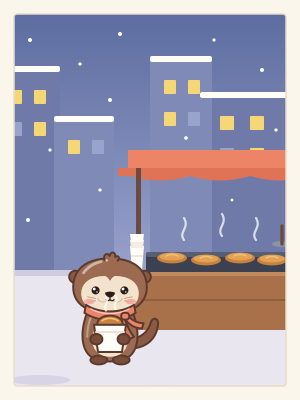
A crisp edge and a warm centre
A sweet hotteok begins with dough wrapped around a filling. On a griddle, the ball is pressed into a disc and cooked on both sides. The result can have a browned, crisp surface and a soft or chewy centre, depending on the dough and cooking style. It is a filled pancake rather than a plain pancake with syrup poured on afterwards.
Sugar and cinnamon are common in the sweet filling, often with nuts or seeds. As the pancake cooks, the sugar becomes a hot syrup inside. The outside may feel cool enough to hold while the centre is still very hot, so take a small bite and give the filling time to cool. A paper cup or wrapper helps hold it but does not tell you the temperature.
Seed hotteok, 씨앗호떡, adds the texture of seeds; the exact mixture varies. Savoury versions also exist, with fillings such as vegetables or noodles. A photograph of a browned pancake will not tell you whether it is sweet, what is inside or which ingredients are in the dough. Read the description or ask before choosing.
Hotteok and other warm snacks make good subjects for a Korean comfort-food letter. Describe the contrast that interests you: crisp and chewy, cinnamon and caramel-like sugar, or a familiar pancake shape with an enclosed centre.
Why is hotteok associated with winter?
There is no fixed hotteok day. A freshly cooked snack feels especially appealing in cold weather, which explains its strong winter association. Some stalls or cafés sell it in other seasons, and availability depends on the place rather than a national timetable.
Ask what snack your friend notices when the weather turns cold. They might prefer hotteok, a fish-shaped bun or something completely different. The useful comparison is a personal one: the smell of a filling, the warmth of the wrapper or a food eaten after a long day.
Words for the pancake and its filling
These words help separate the dish from its ingredients. Romanisation is a reading aid; the spelling on a menu may differ. If an ingredient matters to you, ask directly rather than relying on the snack name.
| Term | Reading | Meaning |
|---|---|---|
| 호떡 | hotteok | A filled Korean griddle pancake. |
| 씨앗호떡 | ssiat hotteok | Hotteok with seeds; the mixture varies. |
| 계피 | gyepi | Cinnamon, often used in sweet fillings. |
| 견과류 | gyeongwaryu | Nuts; check which ones a filling contains. |
| 간식 | gansik | A snack eaten between meals. |
Ask your pen pal
Start with your own favourite warm snack, then choose a question about flavour or texture. Find an opening in Korean letter phrases.
- 호떡을 좋아해요? — Do you like hotteok?
- 호떡에 어떤 속이 들어간 걸 좋아해요? — What filling do you like in hotteok?
- 씨앗호떡을 먹어 본 적이 있어요? — Have you tried seed hotteok?
- 달콤한 간식과 짭짤한 간식 중에 뭐가 더 좋아요? — Do you prefer sweet or savoury snacks?
- 추운 날에는 어떤 간식이 생각나요? — What snack comes to mind on a cold day?
A postcard about a warm snack
Start with a smell or texture you enjoy: cinnamon, a crisp edge or a chewy centre. Change the example to your own taste, and mention whether you prefer sweet or savoury snacks. Your friend can compare hotteok with a favourite of their own.
안녕하세요! 호떡에 대해 읽다가 따뜻한 간식이 생각났어요. 저는 계피 향을 좋아해서 달콤한 호떡이 궁금해요. 씨앗이 들어간 것도 있네요. 추운 날에 먹고 싶은 간식이 있어요?
Share a snack story in Sea Pals
Describe the smell of a warm snack in a Sea Pals bottle letter and let Mochi take it from your island. A hotteok postcard gives you a small food story to share while practising Korean with a pen pal.