
Seollal: Korean Lunar New Year traditions, explained
Seollal is Korean Lunar New Year, a holiday associated with family gatherings, New Year greetings and foods such as tteokguk. It begins on the first day of the lunar year, in January or February, with a three-day public holiday around that day.
What people do at Seollal
Seollal marks the start of the lunar year. For some households it is a time to visit relatives and share a meal; others use the break differently. A family may keep particular ceremonies, make a favourite dish or simply spend a quiet day together.
Sebae is the respectful New Year bow offered to older relatives or elders. A greeting often goes with it, and younger family members may receive good wishes or money. If invited to take part in person, ask the host how their household does it.
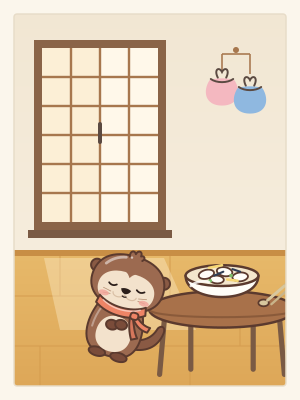
Tteokguk is a soup containing sliced rice cakes. Broth and additions vary, and some versions include dumplings. Eating it is traditionally linked with welcoming the new year and becoming a year older, but soup does not determine anyone’s legal age. A friend might care more about the texture, the broth or who usually prepares it.
Yutnori is a board game played with four throwing sticks. Their landing positions decide movement around the board, and pieces can be grouped or sent back. It can be lively family entertainment without needing a screen. Some people also wear hanbok or remember ancestors through family rites; others do neither. Korean comfort food offers more names to recognise at the table.
When is Korean Lunar New Year?
The main day of Seollal is the first day of the first lunar month. Its Gregorian date falls in January or February and changes from year to year. The regular public holiday includes the preceding day, the main day and the following day. Weekends and substitute holidays can affect the length of the actual break.
South Korea also marks 1 January, the Gregorian New Year. Seollal is a separate holiday, so “Happy New Year” can belong to two different occasions. When writing from abroad, naming Seollal makes your meaning clear without assuming the friend’s schedule.
The traditional counting-age formula commonly adds a year on 1 January, rather than on each person’s birthday. Seollal food traditions and age-counting expressions are related cultural ideas, but are not a reason to treat the lunar holiday as the automatic age-change date. International age is the legal default.
Words to know
These words distinguish the holiday, its food and the bow. The phrase 새해 복 많이 받으세요 wishes someone plenty of good fortune in the new year and can be used in a friendly, polite message.
| Term | Reading | Meaning |
|---|---|---|
| 설날 | Seollal | Korean Lunar New Year, beginning the lunar year. |
| 세배 | sebae | A respectful New Year bow to elders. |
| 떡국 | tteokguk | Soup made with sliced rice cakes. |
| 윷놀이 | yunnori | A board game played with throwing sticks; often written yutnori. |
| 새해 | saehae | The new year. |
Ask your pen pal
Ask about an enjoyable detail rather than whether your friend follows a ceremony. Offer your own New Year memory too. Use Korean letter phrases if you need an opening line.
- 설날에는 어떤 음식을 좋아해요? — What food do you like at Seollal?
- 떡국에 만두를 넣는 걸 좋아해요? — Do you like dumplings in tteokguk?
- 윷놀이를 해 본 적 있어요? — Have you ever played yutnori?
- 새해에 해 보고 싶은 취미가 있어요? — Is there a hobby you would like to try in the new year?
- 설날에 떠오르는 좋은 기억이 있어요? — Is there a happy memory that comes to mind at Seollal?
A Lunar New Year postcard
새해 복 많이 받으세요 offers a New Year wish before the food question. Mention a hobby you would enjoy trying, rather than promising a demanding resolution. 편안한 연휴 보내세요 wishes your friend a restful break.
새해 복 많이 받으세요! 설날에 떡국을 먹는다는 이야기를 읽었어요. 어떤 떡국을 좋아해요? 저는 새해에 그림을 더 그려 보고 싶어요. 편안한 연휴 보내세요!
In Sea Pals
Begin a Sea Pals letter with a Seollal greeting and something you hope to try in the new year. Draft a New Year postcard, or explore Korean pen pals and Korean through letters.