
Black Day in Korea: the 14 April noodle custom
Black Day is an informal Korean custom on 14 April associated with single people eating jajangmyeon, noodles with a dark bean-paste sauce. It follows Valentine’s Day on 14 February and White Day on 14 March, but it is optional and not a public holiday.
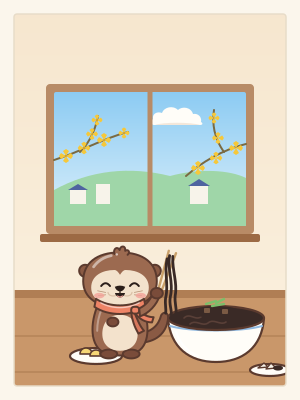
Why noodles are part of Black Day
Black Day is often described as a food-centred occasion for single people after the gift-giving dates of February and March. Jajangmyeon supplies the dark colour associated with the name. Some people may share a bowl with friends or mention the day with a joke; others do not mark it at all.
Jajangmyeon is a Korean-Chinese noodle dish. Its sauce is made with chunjang, a dark bean paste, and commonly includes onion and other vegetables, with meat in many versions. The sauce is mixed through the noodles before eating. Its colour is dark, but that does not tell you how spicy it is or whether a particular bowl fits someone’s dietary needs.
The familiar dish name is often rendered “black-bean noodles” in English. The paste, its seasoning and the other ingredients contribute to the flavour. A question about sauce texture, vegetables or a favourite accompaniment can lead to a more personal food conversation.
Jajangmyeon is a comforting meal enjoyed throughout the year. Eating it on 14 April does not tell you whether someone is single. A letter can mention the custom and ask about a favourite noodle dish. For other food topics, see Korean comfort food.
When is Black Day?
Black Day falls on 14 April each year. The common explanation places it after Valentine’s Day on 14 February and White Day on 14 March, as part of a pattern of informal occasions on the fourteenth.
It is not a South Korean public holiday. There is no nationwide programme that every household or restaurant follows, and different people may know the name without doing anything special.
Jajangmyeon is eaten throughout the year, so the food is not limited to a seasonal celebration. If your pen pal prefers another noodle dish or does not enjoy this one, that is an equally good starting point. Pepero Day introduces another optional date where a small note can matter more than a purchase.
Words to know
The food words are useful beyond the occasion. A restaurant may use its own spelling or prepare its sauce differently; the Korean term helps you identify what you want to ask about without making assumptions about ingredients.
| Term | Reading | Meaning |
|---|---|---|
| 블랙데이 | Beullaek Dei | Black Day, the informal 14 April occasion. |
| 짜장면 | jjajangmyeon | Noodles with a dark bean-paste sauce; often written jajangmyeon. |
| 춘장 | chunjang | The dark bean paste used to make the sauce. |
| 면 | myeon | Noodles, a word that appears in many dish names. |
| 단무지 | danmuji | Pickled yellow radish, often served beside noodles. |
Ask your pen pal
Ask about taste and everyday meals, and share your favourite noodle dish too. Korean letter phrases can help you turn a dish name into a polite question.
- 짜장면을 좋아해요? — Do you like jajangmyeon?
- 면 요리 중에 무엇을 좋아해요? — Which noodle dishes do you like?
- 짜장면과 함께 무엇을 먹는 걸 좋아해요? — What do you like eating with jajangmyeon?
- 블랙데이에 대해 들어 본 적 있어요? — Have you heard of Black Day?
- 편하게 먹기 좋은 음식이 있어요? — Is there a food you like for an easy, comforting meal?
A noodle postcard in Korean
Mention the date, then ask about a favourite dish. Naming a noodle dish you enjoy gives your friend something to ask you about in return.
안녕하세요! 4월 14일 블랙데이에 짜장면을 먹는다는 이야기를 읽었어요. 저는 면 요리를 좋아해서 짜장면 맛이 궁금해요. 좋아하는 면 요리가 있어요? 저는 따뜻한 국수 한 그릇을 좋아해요.
In Sea Pals
Share your favourite noodle dish in a Sea Pals letter and ask what your pen pal likes to eat. Start with a food postcard, then explore Korean pen pals or learning Korean through letters.