
Golden Week Japan: the holidays from April into May
Golden Week is the Japanese holiday cluster from late April to early May, built around Shōwa Day, Constitution Memorial Day, Greenery Day and Children’s Day. The holidays have fixed dates, but weekends, substitute holidays and individual work arrangements affect how long someone actually has off.
A cluster of holidays, not one single festival
Golden Week names a stretch of the calendar rather than one ceremony. The national holidays fall close enough together that some people can make a longer break by combining them with weekends or leave. Others work during the period or have only separate days off.
People may travel, visit family, enjoy a day out or stay home. Those choices depend on work, responsibilities and personal taste. A quiet afternoon reading is as real a holiday plan as a long journey. In a letter, ask what a person would like to do rather than assuming they have booked a trip.
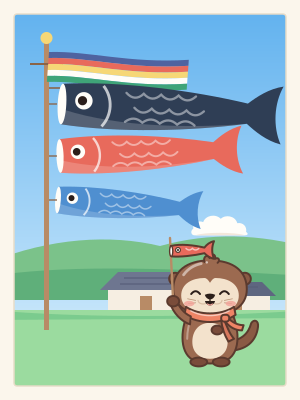
Children’s Day has recognisable seasonal decorations, including koinobori, carp-shaped streamers, and kabuto helmet displays in some homes. The carp shape can be explained as a wish for children’s healthy growth. Families differ in what they display and how they mark the day.
Because many people may be off around overlapping dates, event timetables and everyday opening hours can differ. If you need to know whether a particular place is open, its own current notice matters more than a general Golden Week description.
The four dates to recognise
Shōwa Day is 29 April. Constitution Memorial Day is 3 May. Greenery Day is 4 May. Children’s Day is 5 May. Together they explain the familiar late-April to early-May window; “a week” does not mean the same uninterrupted block off for every person.
The calendar can add substitute holidays when national holidays fall on Sundays, and particular arrangements can create a holiday between other holidays. Weekdays between dates may still be work or school days. Do not copy the total length of a break from another year, or turn someone’s workplace arrangement into a nationwide rule.
Greenery Day is associated with appreciating nature, while Children’s Day expresses wishes for children’s wellbeing. A friend might enjoy a walk on one day and a family custom on another. Knowing the names helps you understand a calendar or a seasonal story without assuming the holidays all have the same purpose.
Holiday names and a carp-shaped decoration
These Japanese readings use romanisation. The table gives names you can recognise in a calendar or a seasonal description. To put them into a friendly letter, start with Japanese letter phrases.
| Term | Reading | Meaning |
|---|---|---|
| 昭和の日 | Shōwa no Hi | Shōwa Day, on 29 April. |
| 憲法記念日 | Kenpō Kinenbi | Constitution Memorial Day, on 3 May. |
| みどりの日 | Midori no Hi | Greenery Day, on 4 May. |
| こどもの日 | Kodomo no Hi | Children’s Day, on 5 May. |
| 鯉のぼり | koinobori | Carp-shaped streamers associated with Children’s Day. |
Ask your pen pal
A question about rest works whether your friend has a holiday or is working. Share your own idea of a good day off, or visit Japanese pen pals for more ways to start a letter.
- ゴールデンウィークはお休みがありますか? — Do you have any time off during Golden Week?
- 休みの日は、家と外、どちらで過ごすのが好きですか? — On a day off, do you prefer staying home or going out?
- 鯉のぼりを見たことがありますか? — Have you ever seen koinobori?
- 春にやってみたいことはありますか? — Is there something you would like to try in spring?
- のんびりできる日は、何をしたいですか? — What would you like to do on a relaxing day?
A postcard about a day off
Say what a restful day looks like to you, then ask about the other person’s schedule.
こんにちは! ゴールデンウィークには、いくつかの祝日が集まっているのですね。お休みはありますか?私は休みの日に、本を読んでゆっくり過ごすのが好きです。 忙しい時期でも、少し休める時間がありますように。
A culture postcard in Sea Pals
A day off at home can give you plenty to write about in Sea Pals. Make a postcard about how you would spend a free afternoon and ask your pen pal for their idea.